Altay, Far and Near
Altay Prefecture (ئالتاي ۋىلايىتى / التاي ايماعى / 阿勒泰地区), Northwest China, Dec 2025
It is considered to be in the Far Northwest by billions; yet at 48° N, Altay lies just slightly above the centre of Eurasia at best. Still, the remoteness, thick white snow, and my chapped skin in the -30C weather evoked both my somatic and cognitive memories of the Arctic. The differences in vegetation and climatic patterns that set Altay apart from the conventional far north based on geographic classifications would hardly be detectable without long-term dwelling, and less so for the subtler ones without an “emic” view. What, then, makes a place “North”? Is the North an often romanticised notion, constructed by outsiders?
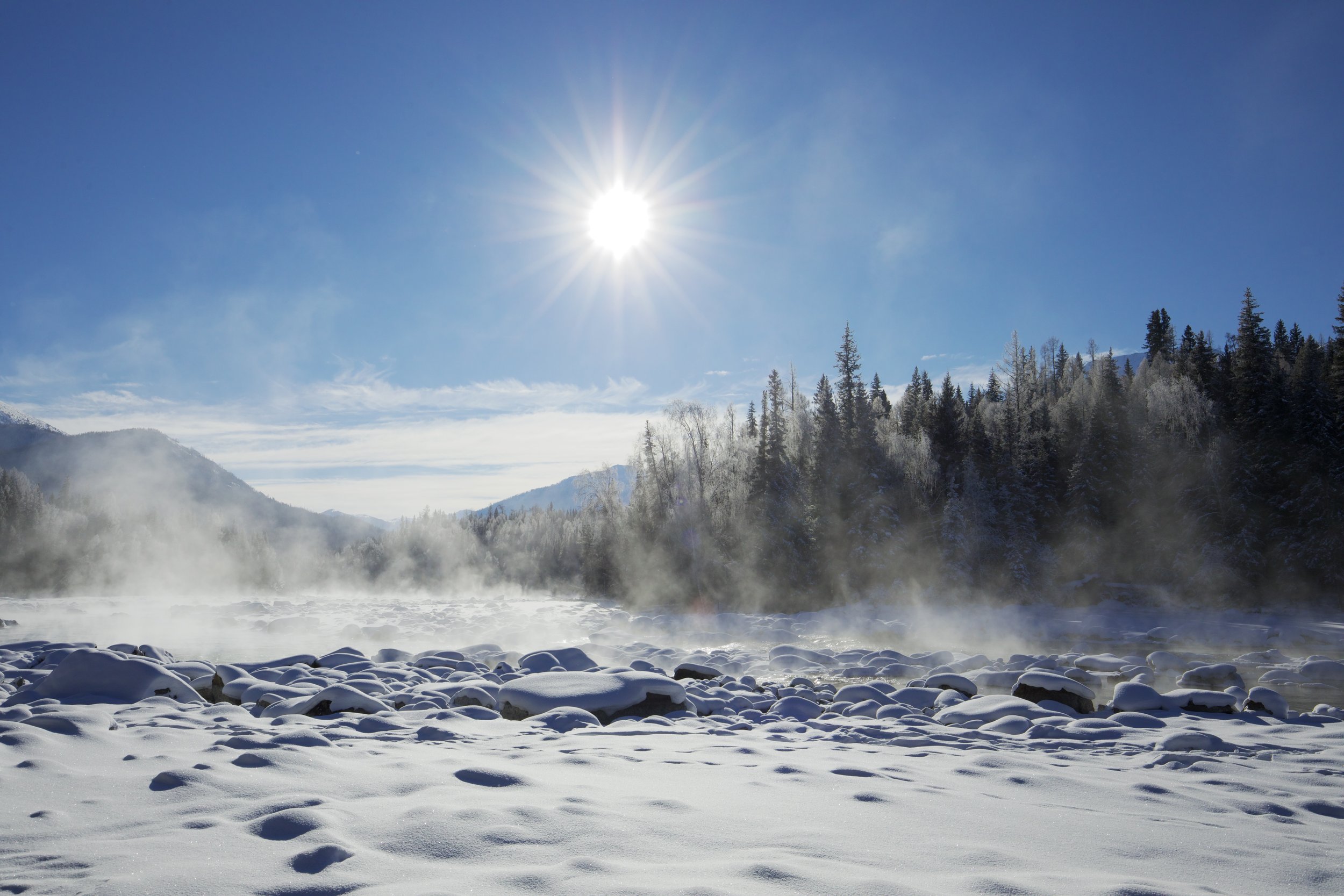
Political borders on a Cartesian map or physical scientific definitions may not suffice. Large swaths of climate zones or state borders draw dichotomies and binaries, yet cultures and livelihoods are fluid. No matter how increasingly sedentarised many societies are in this era, moving is still in the blood of us Homo sapiens, with most of our ancestors being hunter-gatherers. The people and the animals that dwell on the land, along with the ancient spirits, are reasons why those remote, snow-covered cold regions are not a “white nothingness.” The Kazakhs who ride horses may perceive and interact with trees and snow very differently from reindeer herders in the taiga and tundra, yet these groups may still share unexpected connections in their multispecies relations and cosmologies.
-
![]()
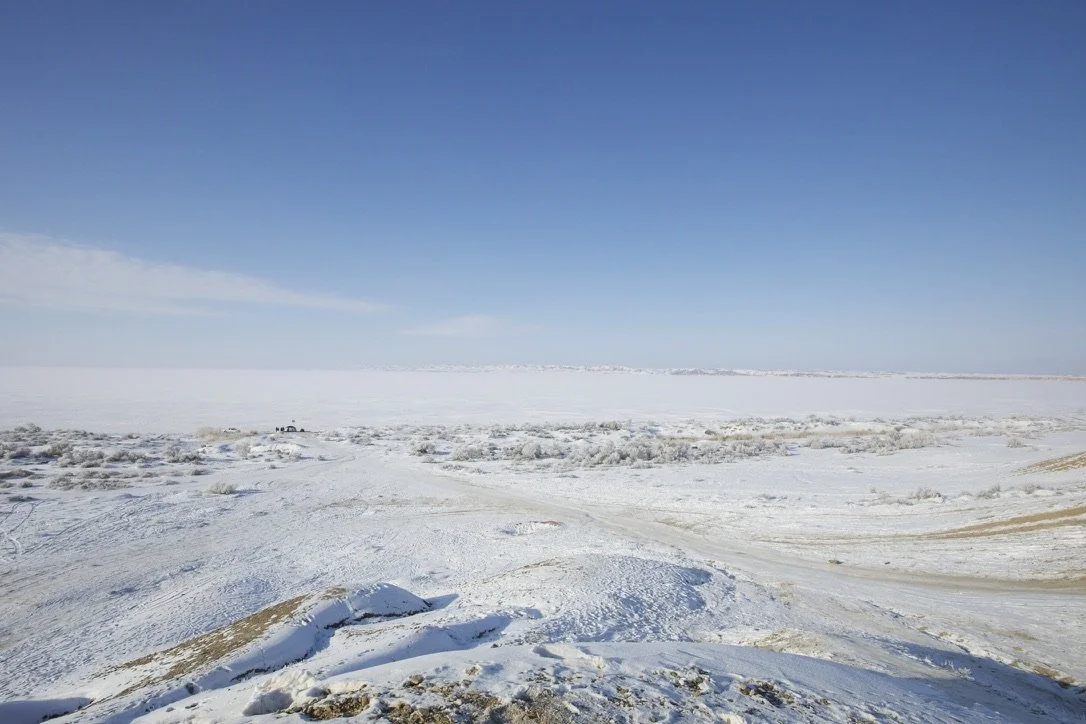
Ulungur Lake
乌伦古湖 / ئۇلۇنگۇر كۆلى
-
![]()
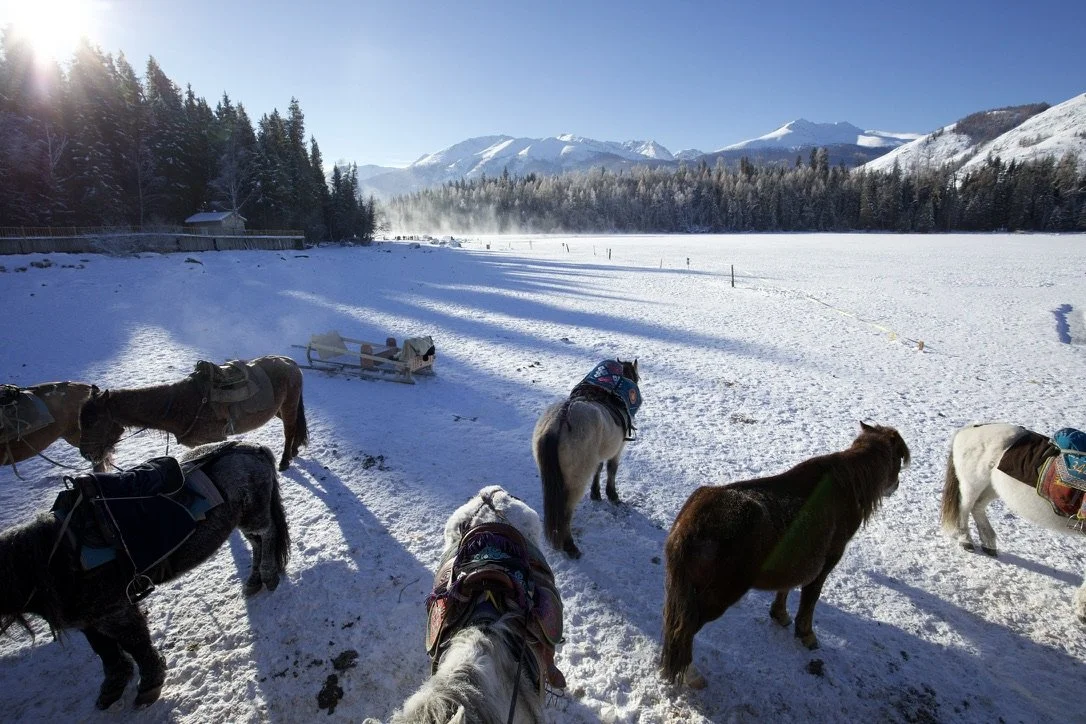
Draught Horses
-
![]()
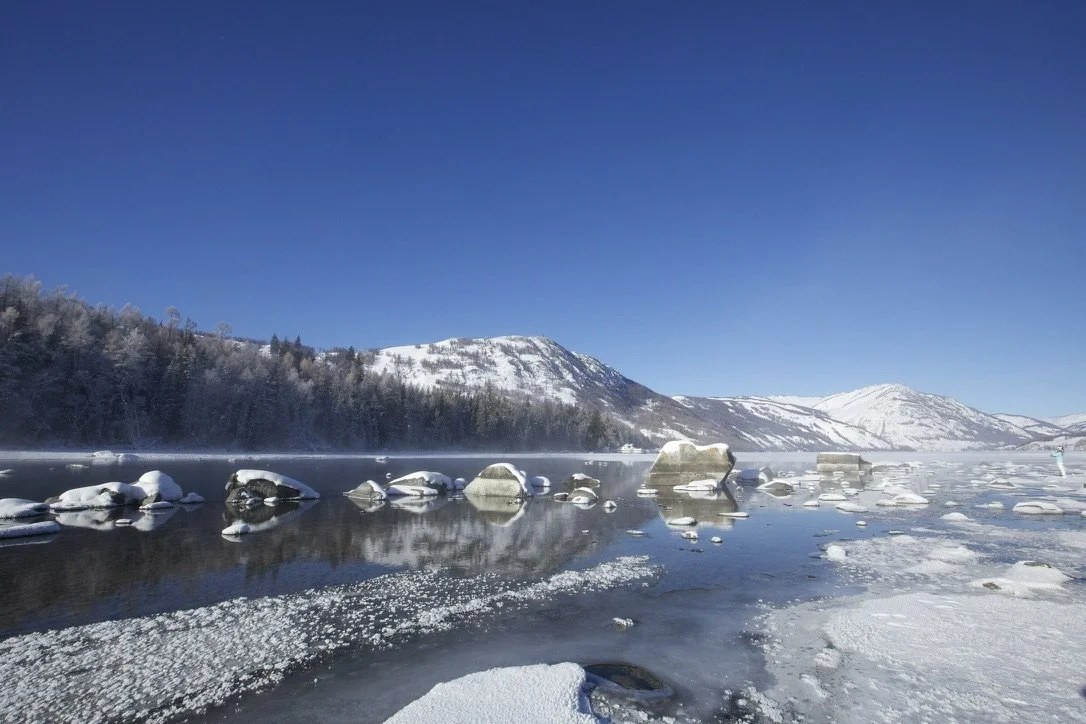
Rocks over Kanas Lake
喀纳斯湖 / قاناس كولى
-
![]()
Misty Morning
-
![]()
Red Lanterns in Altay City
-
![]()
Wind Turbines by Ulungur Lake
-
![]()
Mountainside
-
![]()
Sunset
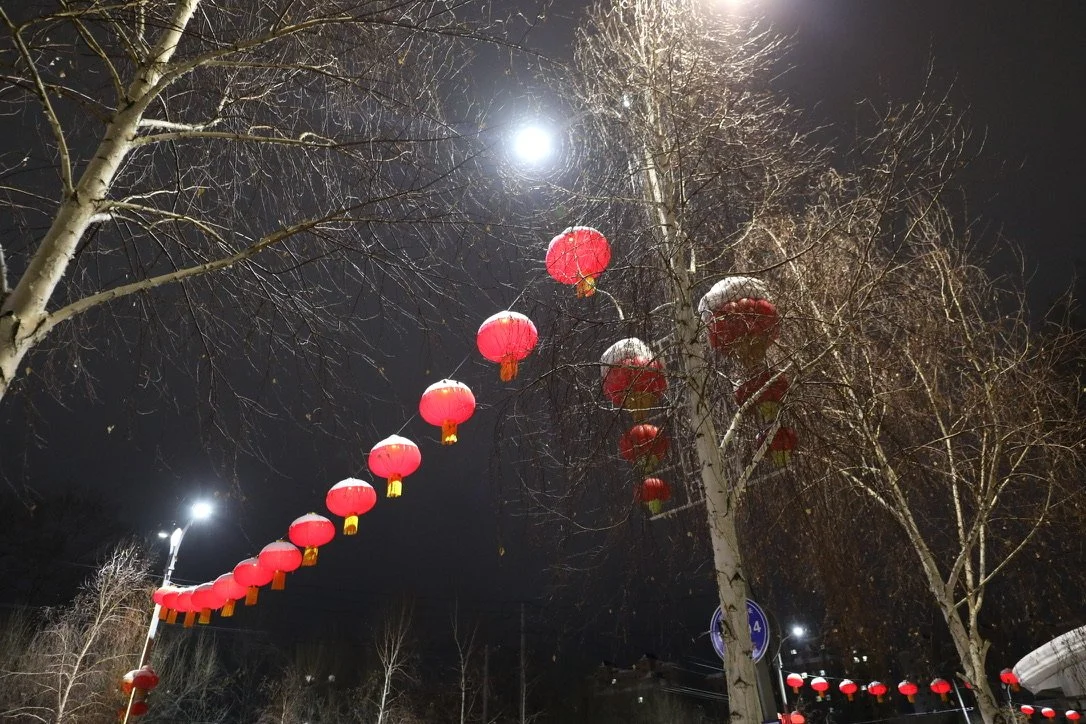
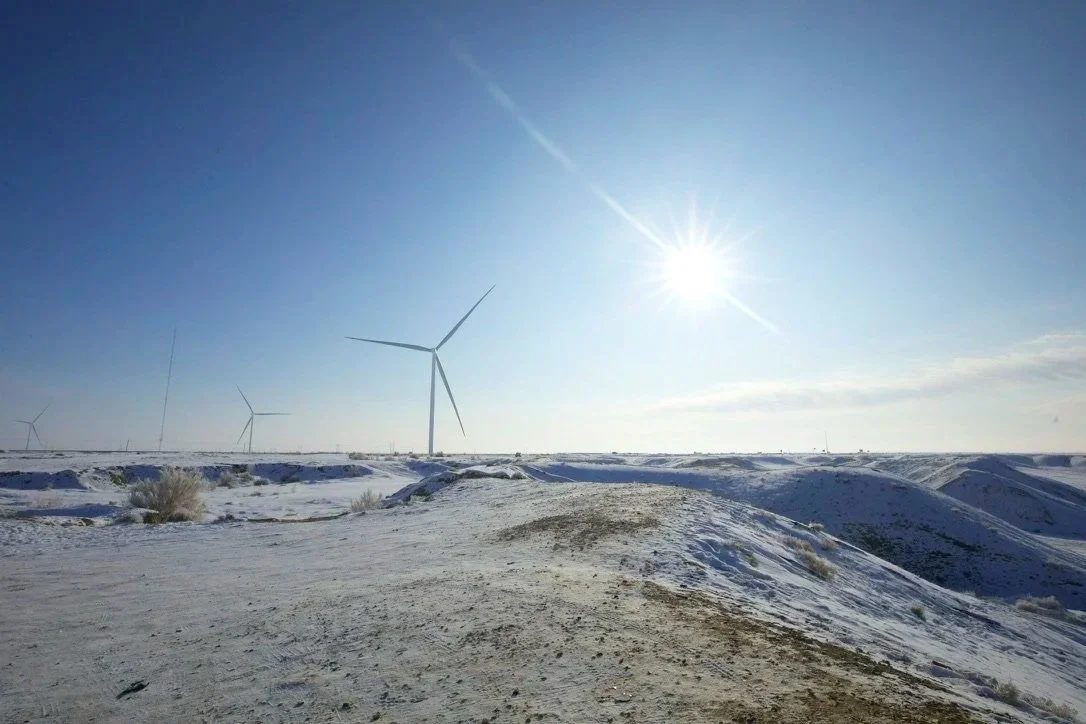
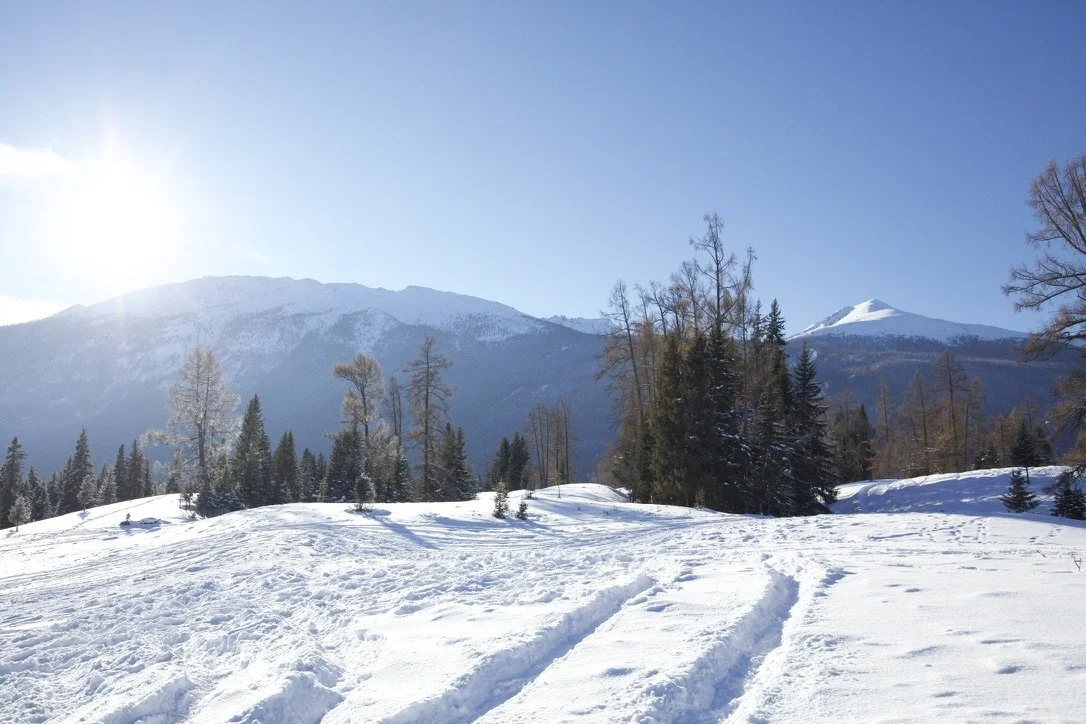
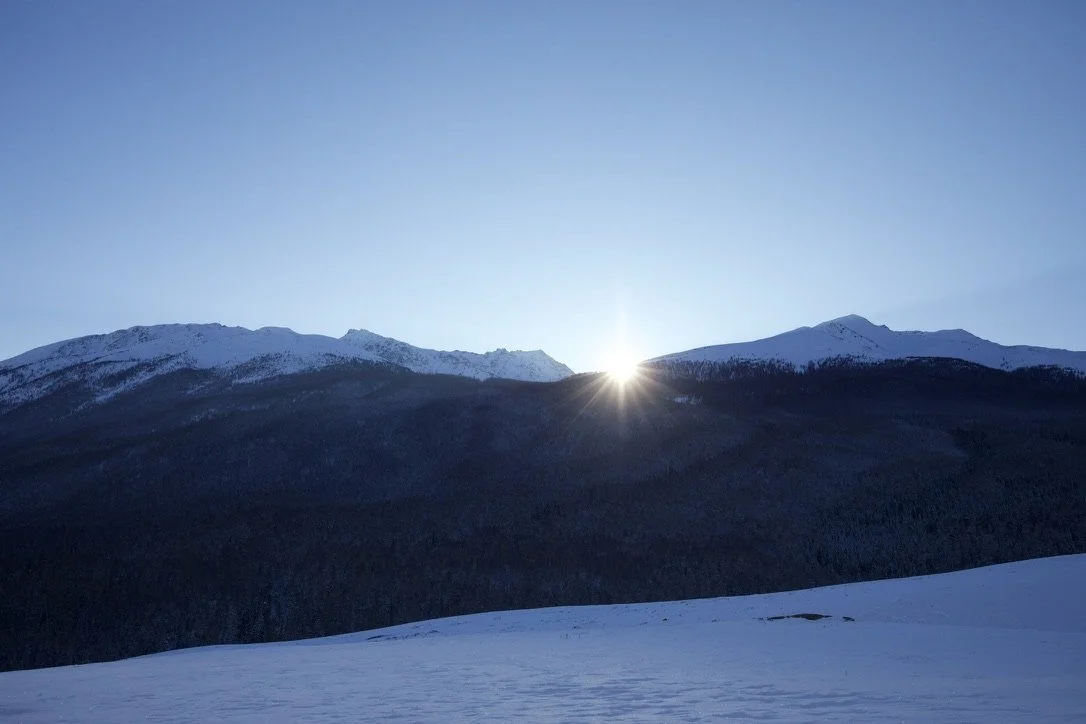
Even coming from the diagonally opposite side of the country with drastically different physical geographic features, the presence of familiar language and cultural signifiers still constructed a cognitive landscape that made the cold and remote Altay feel closer to home. It thus struck me how one may always see bits of the world at home and bits of home around the globe, should one think across time and space and draw comparisons, oftentimes subconsciously. The Earth is a sphere: go in one direction, and you will close the circle from the other side. Mountain ranges can span across parallels and meridians, yet cultural similarities and differences emerge and evolve over centuries of biogeographic evolutions and human dwelling.
Binaries dissolve; cosmologies interweave. These mountains, plains, lakes, humans, and animals create complex webs of dynamic relationships and dependencies, never staying still. Stories about such fluid and profound interconnections are passed down through generations. Snow melts, seasons change. Everywhere, amid disruptions and chaos, the Wheel keeps rolling, and cycles of life continue.